

Stronger organizations begin with clearer understanding.
Malia Heath Consulting helps founder-led organizations understand the structures shaping how people decide, carry responsibility, communicate, and move work.
The work begins with what is actually happening inside the organization, then looks beneath visible strain to understand the conditions producing it.
The goal is not dependence on MHC. It is an organization with stronger judgment, clearer responsibility, and greater capacity to carry its own work well.
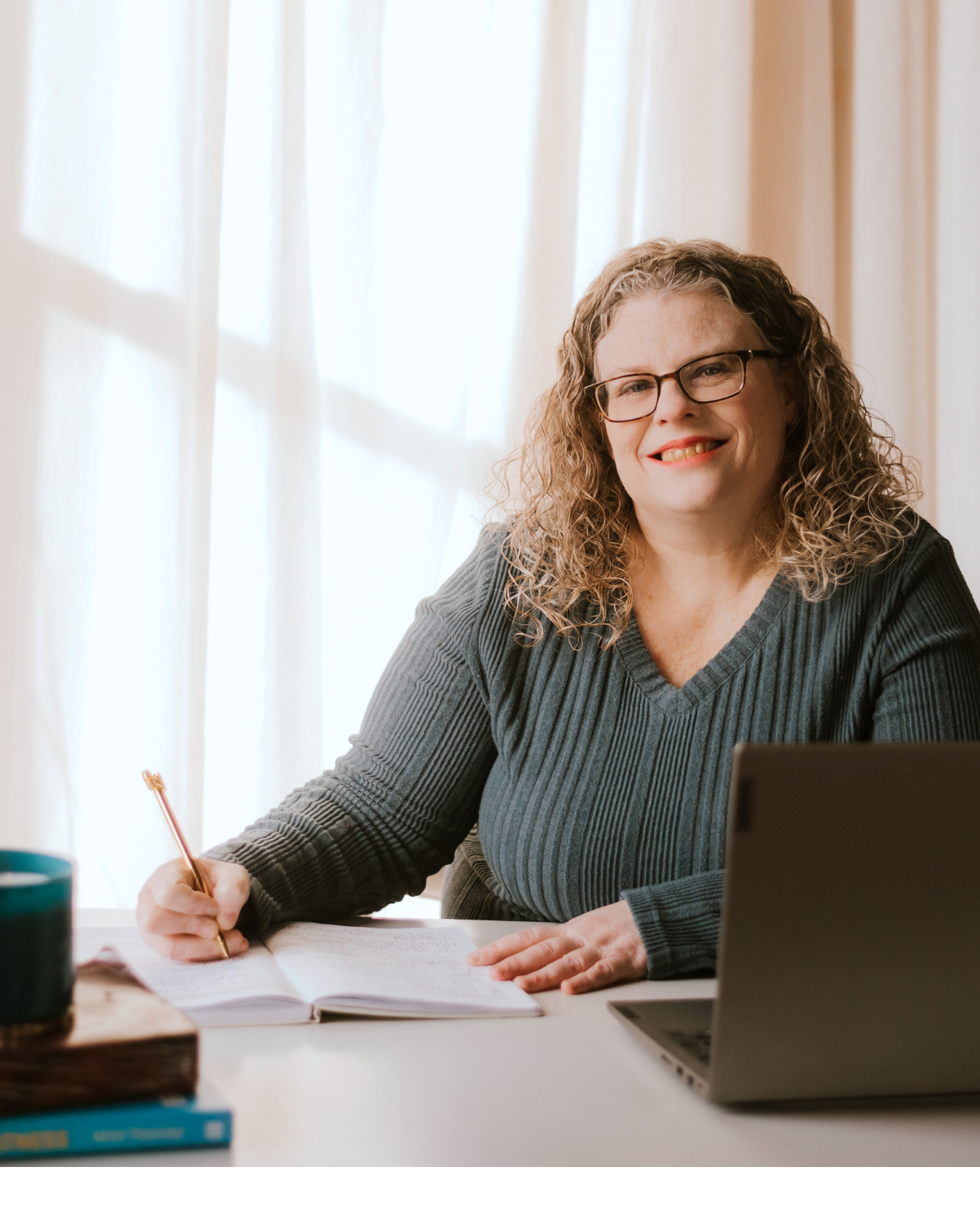
Hi, I’m Malia.
Founder of Malia Heath Consulting
I’m curious about people, how they see things, and why something that makes perfect sense to one person can look completely different to another.
My experience across work and life has given me many ways to look at a situation. I bring those perspectives with me when I listen, ask questions, and help someone make sense of what is happening. Often, the pieces are already there. They just haven’t been brought into the same conversation.
You don’t need to have everything neatly explained before we talk. We can start with what feels difficult, what keeps happening, or what you can’t quite put your finger on. I enjoy working through those pieces together and finding language that helps things become clearer.
I enjoy conversations where we both come away seeing something differently. Understanding someone better, finding a possibility we hadn’t considered, or working out a next step together. For me, the joy in this work comes from learning alongside you and helping you put those insights to use.
Good people do better work when the organization gives them clearer conditions to succeed.
MHC exists because many organizational problems are not only about individual effort or capability. People are influenced by the structure around them: what they know, what they own, what authority they have, how decisions are made, and how work moves between people.
The work matters because clearer structures make it easier for leaders and teams to carry responsibility well.
Organizations are systems of decisions, relationships, responsibilities, and information.
Malia looks at organizational problems by examining the relationships among the parts rather than treating each visible issue as a separate problem.
A missed deadline may involve unclear authority. A founder bottleneck may reflect weak decision rights. A performance concern may begin with missing context, poor handoffs, or conflicting expectations.
One event matters less than what keeps repeating.
Recurring conditions across decisions, communication, ownership, execution, and leadership often reveal more than one isolated breakdown.
Problems often sit between roles, functions, and decisions.
Many operating failures appear in the spaces between people, where authority, handoffs, information, or responsibility are not connected clearly enough.
People respond to the conditions the organization creates.
Roles, authority, information, expectations, and operating rhythms influence what people are able to understand, decide, and carry.
Durable improvement requires more than asking people to try harder.
MHC looks for the structural change that gives people a better chance to make sound decisions, coordinate effectively, and carry responsibility well.
Who decides?
Where does authority sit, who contributes, and what happens when direction changes?
Who owns what?
Does responsibility have enough authority, context, support, and accountability behind it?
Who knows what?
Does the right information reach the right people early enough to shape action?
How does work travel?
Where do handoffs, dependencies, approvals, or unclear expectations interrupt execution?
Malia’s work begins with disciplined observation: understand what is happening, identify the relationships shaping it, and change only what the organization is prepared to carry responsibly.
Clients should know what they can expect from the way MHC works.
These commitments shape how MHC understands problems, communicates what it sees, and recommends what should happen next.
Understand before recommending.
MHC does not begin with a preferred tool, structure, or solution. The work starts with understanding what is actually happening.
Tell the truth with care.
Important realities should be named clearly without turning structural strain into blame or reducing people to the problem.
Keep responsibility clear.
Recommendations should make it easier to see who owns what, where authority belongs, and what responsibility follows once something becomes clear.
Build capacity, not dependence.
The work should leave leaders and teams better able to think, decide, coordinate, and carry responsibility without unnecessary reliance on MHC.
If the way MHC approaches organizations resonates, start with a conversation.
Share a little about what is happening in your organization. The first conversation can help clarify whether MHC is the right resource and what the most responsible next step may be.